GDG Cloud Pune Home

Category

Cloud Technology

18 articles

When Watching Everything Breaks Everything: Pune's Smarter Take on Cloud Telemetry

When Watching Everything Breaks Everything: Pune's Smarter Take on Cloud Telemetry

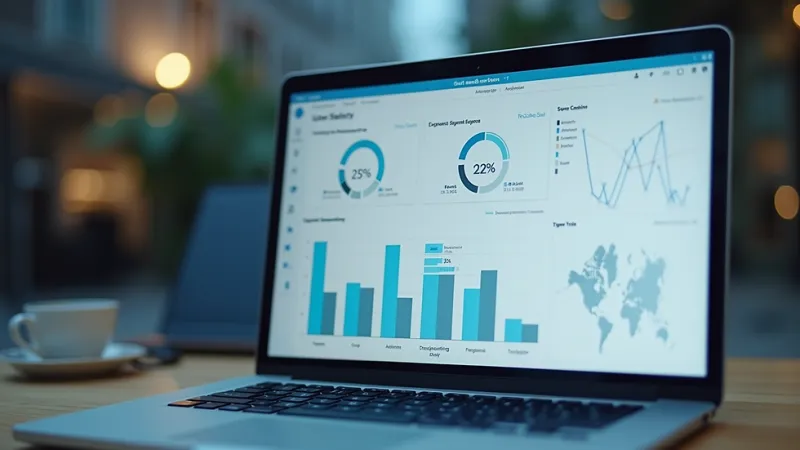
More metrics don't automatically mean more insight — they can actually slow your system down and bury the signals that matter. Pune's distributed engineering teams have figured out how to stay observable without drowning in their own telemetry. Here's the counterintuitive approach they're using to keep cloud systems fast and visible at the same time.

Not Just Another Cloud: How Pune's GCP Specialists Are Rewriting the Infrastructure Playbook

Not Just Another Cloud: How Pune's GCP Specialists Are Rewriting the Infrastructure Playbook

Pune's developer community has cultivated a depth of Google Cloud Platform expertise that's genuinely hard to find elsewhere. From Spanner to Anthos, the engineers coming out of GDG Cloud Pune aren't just certified — they're building production systems that push GCP's capabilities to their limits. Here's why that distinction matters if your US company is serious about Google Cloud.

More Data, Less Clarity: How Pune Engineers Turned Observability Into a Signal Problem

More Data, Less Clarity: How Pune Engineers Turned Observability Into a Signal Problem

Most US engineering teams treat observability like a storage problem — collect everything, sort it out later. Pune's cloud engineers take a fundamentally different approach, treating it as a signal extraction challenge from day one. The difference shows up not just in cleaner dashboards, but in faster incident response and leaner infrastructure bills.

Lost in the Logs: What Pune's Serverless Engineers Find That US Monitoring Tools Keep Missing

Lost in the Logs: What Pune's Serverless Engineers Find That US Monitoring Tools Keep Missing

Serverless architectures promise less operational overhead, but they quietly introduce a debugging nightmare that most US teams don't see coming until something breaks in production. Engineers in Pune have spent years building hands-on techniques for tracing failures across ephemeral functions, stateless invocations, and fragmented log streams. Here's what they've figured out — and why it matters as your serverless footprint keeps growing.

Built-In, Not Bolted On: How Pune's Engineers Treat Observability as a First Principle

Built-In, Not Bolted On: How Pune's Engineers Treat Observability as a First Principle

Most US cloud teams bolt on monitoring after the fact and call it observability. Pune's distributed engineering culture has quietly developed something more rigorous — a discipline where signals, structure, and semantic meaning are designed before a single line of business logic gets written. Here's what that gap looks like from the inside, and why it matters more than the tools you're buying.

When Kubernetes Breaks at 2 AM: The Troubleshooting Playbooks Pune Engineers Live By

When Kubernetes Breaks at 2 AM: The Troubleshooting Playbooks Pune Engineers Live By

Pune's cloud engineers have quietly developed some of the most battle-tested Kubernetes debugging frameworks in the industry — and US enterprises are starting to take serious notice. From log correlation habits to failure isolation rituals, there's a methodology here that goes way beyond reading the official docs. Here's what's actually driving that edge.

Your Cloud Bill Isn't a Pricing Problem — It's an Architecture Problem

Your Cloud Bill Isn't a Pricing Problem — It's an Architecture Problem

US engineering teams keep hunting for cheaper cloud regions or better contract discounts, but Pune-based developers have been quietly solving the same problem from a completely different angle. The secret isn't where you run your workloads — it's how you design them in the first place.

When the Dashboard Lies: Debugging Cloud Failures the Way Pune Engineers Do It

When the Dashboard Lies: Debugging Cloud Failures the Way Pune Engineers Do It

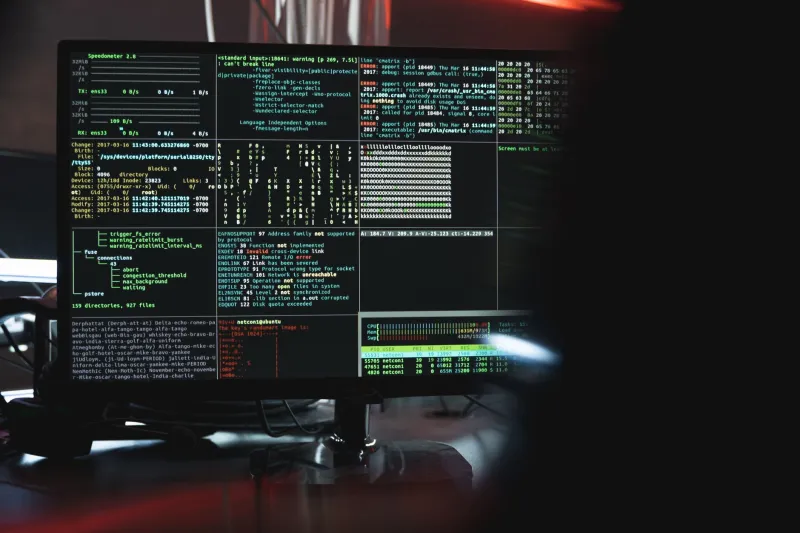
Pune's cloud engineers didn't grow up trusting the green checkmarks. Years of wrestling with flaky infrastructure, legacy systems, and resource constraints built a diagnostic mindset that most US enterprise teams never had to develop—until their modern cloud stacks started doing weird things no monitoring tool could explain. Here's what that problem-solving toolkit actually looks like in practice.